1. The Forbidden City (The Imperial Palace)
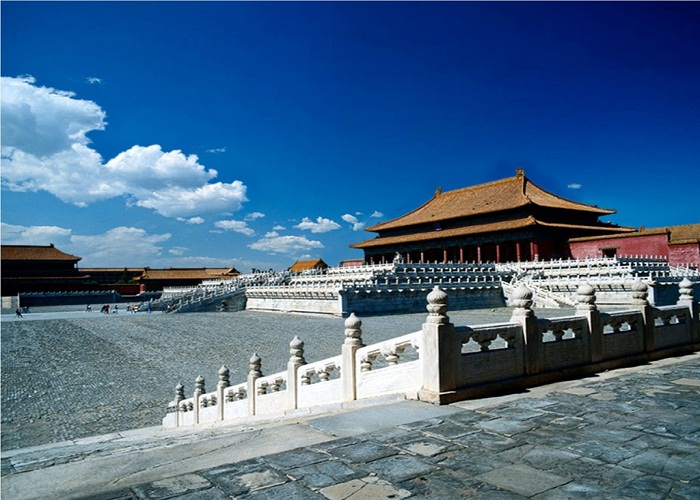
The Forbidden City (紫禁城) was the former residence of the Ming and Qing Emperors since 1420. Construction of the Forbidden City began in 1406 under the rule of the Ming Yongle Emperor; taking 14 years and a million workers to complete. The main colours of the Forbidden City are red and yellow, both colours that symbolise the Emperor and the nation of China. The Forbidden City has over 980 buildings and each building has mini statues that line the roofs. The name Forbidden City comes from the fact that during the Imperial period, only the Emperor, his immediate family and workers were allowed to enter the site. Those who disobeyed this rule faced punishment of death.
2. The Great Wall of China
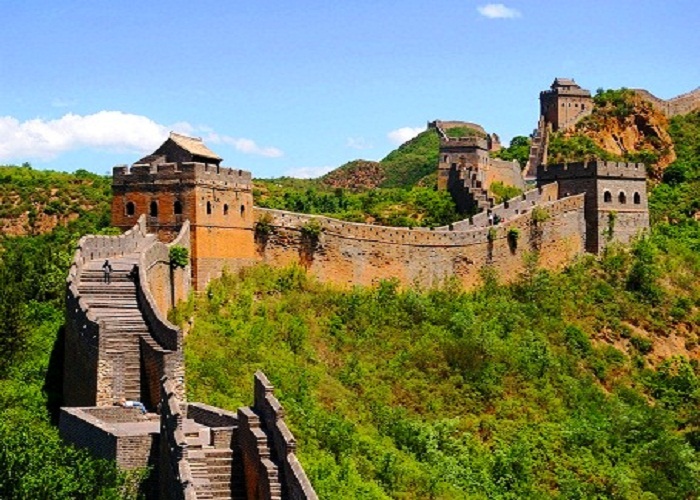
The Great Wall of China (万里长城) is one of the seven wonders of the modern world and is arguably the most famous sight in China. Construction of the original wall began in 200BC and continued to be altered and enhanced all the way to the 14th Century Ming era. The main purpose of the Wall was to defend China from invaders in the neighbouring north. The length of the wall is almost 4,000 miles long and stretches all the way across the northern section of China. The most visited areas of the Wall include Badaling section, Mutianyu section and Simatai section, all accessible from Beijing city.
3. Temple of Heaven
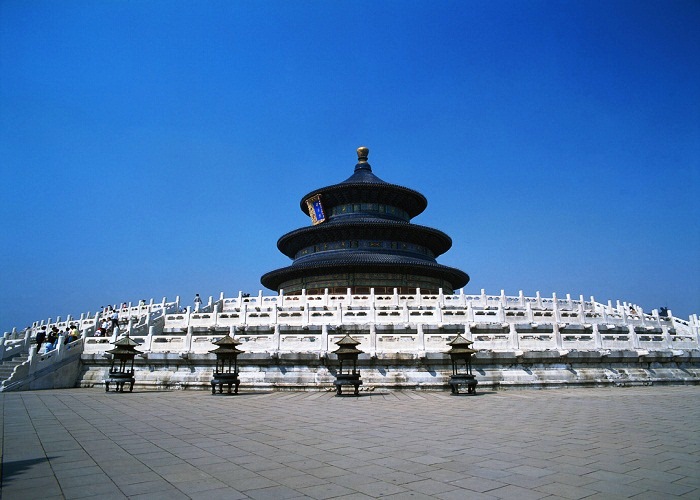
Like the Forbidden City, the Temple of Heaven (天坛) was constructed during the reign of the Ming era Yongle Emperor. The Temple of Heaven is the largest complex of sacrificial buildings in China, covering an area of 273 hectares. The Temple was built as a place of prayer and sacrifice for the Emperors, where they would ask for good harvest and good fortune. The main building in the Temple is called the Altar of Prayer for Good Harvest which stands majestically in the centre of the Temple.
4. The Summer Palace
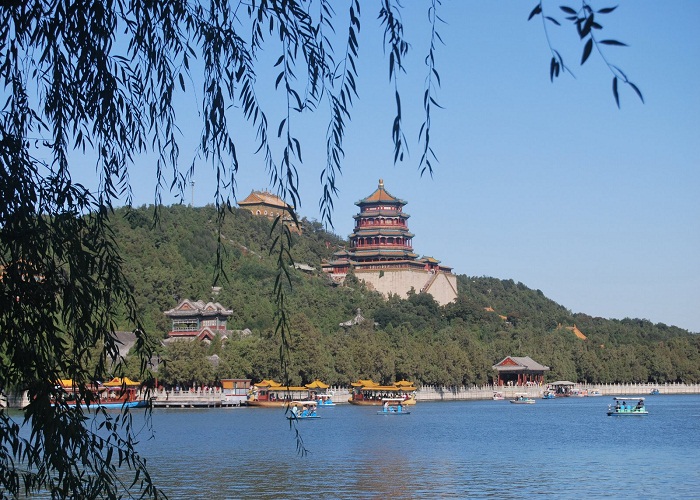
The Summer Palace (颐和园) was the former holiday retreat of the Qing Emperors. Construction began in 1750 under the reign of the Qianlong Emperor, considered one of the greatest Emperors in China’s extensive history. The Summer Palace is famous for its beautiful Kunming Lake and Longevity Hill which are juxtaposed in a beautiful Fengshui style. During the 19th century, the Summer Palace was ransacked by Anglo-French troops and destroyed in parts. The Summer Palace, like the Forbidden City, is a beautiful red colour.
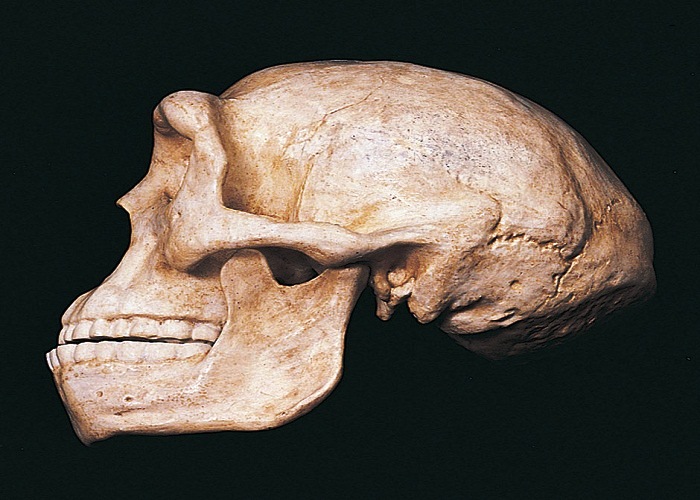
5. Peking Man at Zhoukoudian
In the 1920s, archaeologists found skeletal remains and stone tools which were estimated to date back 500,000-300,000 years old. The remains of the Peking man (北京猿人) have brought about debate regarding what relation they have to present day humans. The shape of the skull of the Peking man showed particular dissimilarities with homo-erectus skulls and raised the question whether this Peking man was the predecessor to homo-erectus i.e. modern man. Others claim that Peking man is more related to the ape and could in fact actually be the skeletal remains of apes.
6. The Ming Dynasty Tombs
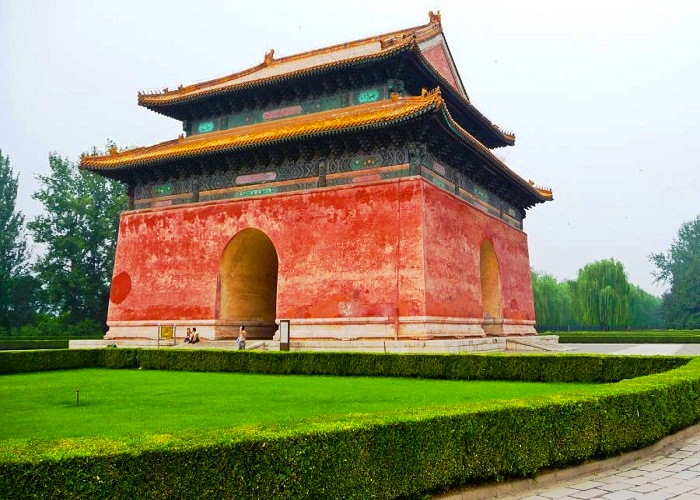
The Thirteen Ming Dynasty Tombs (明十三陵) are located in North Beijing and is the final resting place of the Ming Emperors. In the early 14th Century, the Ming Tombs were commissioned under the reign of the Yongle Emperor. He chose the southern side of Tianshou Mountain as the location based on Fengshui teachings. On the path up to the Ming Tombs, a row of Ming era statues stand at each side, made up of human guards and animals. Emperor Yongle selected a grandiose mausoleum for himself which is a beautiful gold and red.
For more information regarding UNESCO sites in China please check our website at www.ChinaHolidays.co.uk, call us on 020 7487 2999 or email sales@chinaholidays.com


